
By Emily Johnson
From Grand Lake, here’s a look at the major global developments shaping our shared future — the threats, the diplomacy, and the possible paths ahead.
1. Precarious Peace: Conflicts Gaining Ground
International unrest has become a vivid marker in today’s global landscape. The wars in Ukraine and the Middle East continue with no clear endpoints. Diplomatic efforts have struggled to break through, and several regional tensions risk escalating into broader confrontations. Many nations are increasingly alarmed by what’s being perceived as the rising likelihood of large‐scale warfare. At the same time, changing alliances and fractures in long-standing relationships are reshaping security calculations everywhere.
2. Climate Commitments Put to the Test
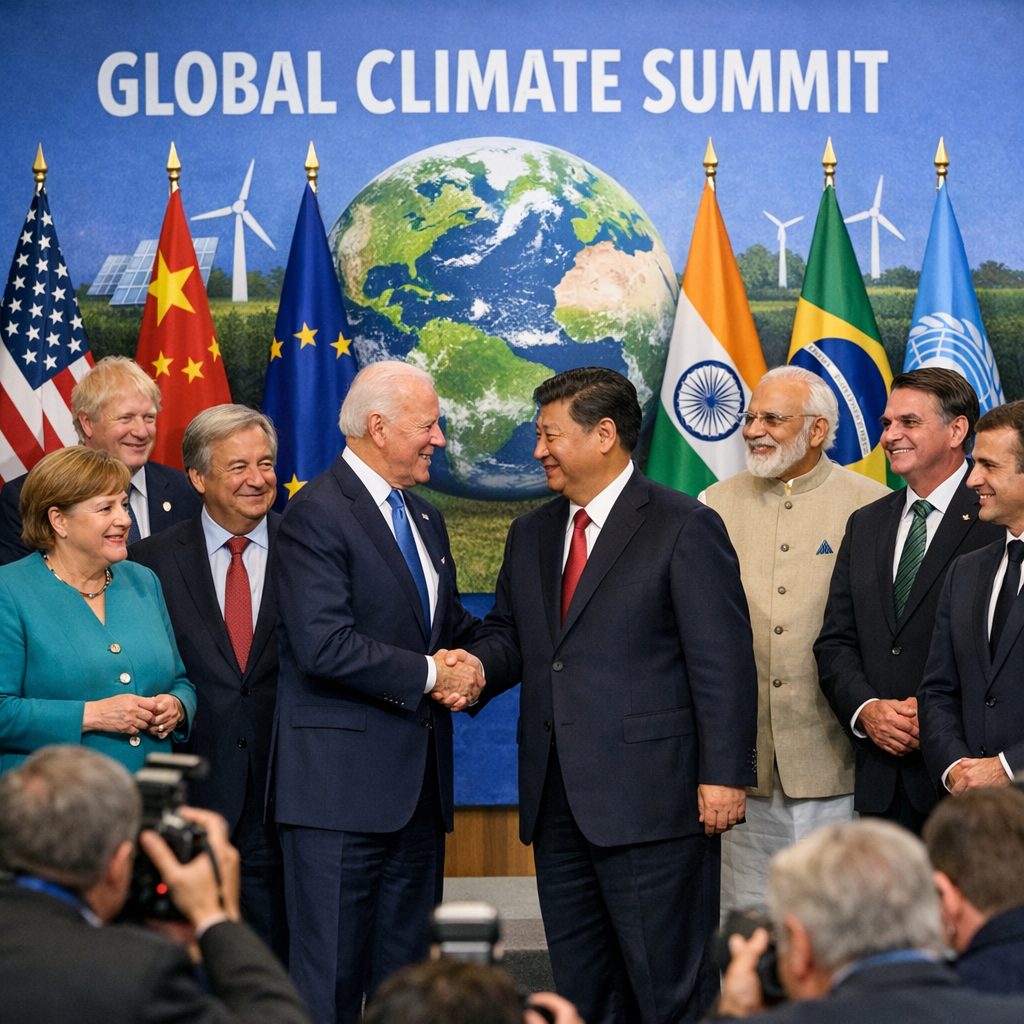
On the environmental front, there’s both momentum and urgency. The Paris Agreement’s first Global Stocktake has highlighted serious gaps: goals exist, but many fall short in implementation, finance, and accountability. New international programs are emerging to translate broad commitments into actions — from ambitious plans to clean energy transitions to accelerating climate finance, especially for countries vulnerable to extreme weather. Yet experts warn current efforts are far from sufficient to limit global temperature rise to 1.5°C.
3. Risks We Can’t Ignore
Global risk assessments are pointing to political instability as one of the top concerns. Almost four years after the Covid-19 pandemic, environmental risks, including climate inaction, remain high on the list. Emerging technologies like AI are raising new ethical, security, and economic questions, especially where regulation and oversight are still catching up. Together, these issues make it more difficult for societies everywhere to plan ahead or feel secure.
4. Cooperation as Lifeline
In the face of these challenges, cooperation is taking center stage. Governments, civil society, businesses, and regional blocs are increasingly joining forces around shared objectives — from carbon pricing to energy transitions, food security, clean water, and resilient cities. New governance networks and multilateral programs are helping align action across sectors.
What to Watch Closely
- Progress ahead of COP 31 — new targets, stronger national plans, real investment.
- How carbon markets and emissions trading schemes spread or stall.
- Diplomatic breakthroughs or breakdowns in Ukraine, the Middle East, or other flashpoints.
- Public pressure and how societies demand stronger climate action and transparency.
What’s happening in far-off places matters deeply here in Grand Lake and in Colorado — the forces of climate, conflict, and global cooperation touch our water, air, economy, and peace. Staying informed is staying prepared.