

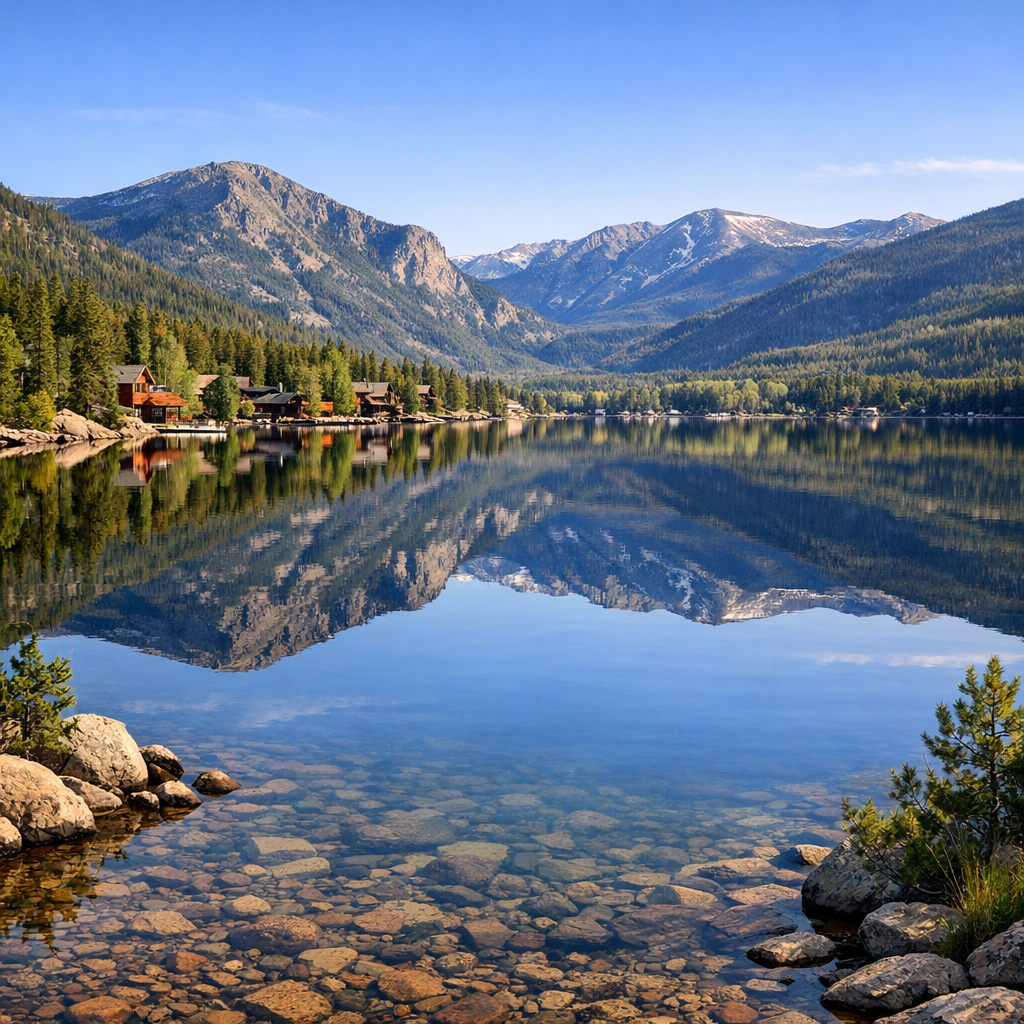
Grand Lake, Colorado’s largest and deepest natural lake, is renowned for its stunning beauty and serves as a gateway to the western entrance of Rocky Mountain National Park. Its unique climate and environmental challenges make it a fascinating subject for both residents and visitors.
Climate Overview
Situated at an elevation of 8,367 feet, Grand Lake experiences a subalpine climate characterized by cool summers and cold winters. The growing season is notably short, averaging just 49 days per year. Even during summer months, nighttime temperatures can be quite chilly, and only three months have an average temperature above 50°F (10°C). This climate contributes to the area’s lush forests and diverse wildlife, offering a haven for nature enthusiasts.
Seasonal Weather Patterns
Each season in Grand Lake brings its own unique weather patterns:
Winter
From November to March, the area transforms into a winter wonderland. Average temperatures range from 10°F to 35°F (-12°C to 2°C), providing ideal conditions for snowshoeing, cross-country skiing, and snowmobiling.
Spring
April to June marks the awakening of nature. Temperatures gradually rise from 30°F to 60°F (-1°C to 15°C), and the melting snow gives way to blooming wildflowers and cascading waterfalls, making it a perfect time for hiking.
Summer
July and August offer mild temperatures, with averages between 42.6°F (5.9°C) and 72.1°F (22.3°C). These months are ideal for boating, fishing, and exploring the numerous trails in the area.
Fall
September and October bring cooler temperatures and vibrant foliage. It’s a quieter time in Grand Lake, offering serene landscapes and a peaceful atmosphere.
Environmental Challenges and Conservation Efforts
Grand Lake’s pristine waters have faced challenges due to human activities, particularly the Colorado-Big Thompson (C-BT) Project. This project diverts water from the Colorado River to the eastern slope, affecting the lake’s clarity. Water from Shadow Mountain Reservoir and Lake Granby, which contain higher levels of organic material and sediments, flows into Grand Lake, leading to increased turbidity and decreased water clarity.
Recognizing the importance of preserving Grand Lake’s natural beauty, various stakeholders, including the U.S. Bureau of Reclamation, Northern Water, and Grand County, have engaged in efforts to improve water quality conditions. The Grand Lake Adaptive Management Committee conducts regular water quality monitoring and discusses potential operational changes to meet clarity goals while balancing other water management needs.
Maintaining high water clarity is vital for preserving both environmental health and human enjoyment of water resources. Ongoing efforts aim to balance the operational needs of water projects with the ecological and recreational value of Grand Lake.
Understanding Grand Lake’s unique climate and the environmental challenges it faces underscores the importance of continued conservation efforts to preserve this natural treasure for future generations.