

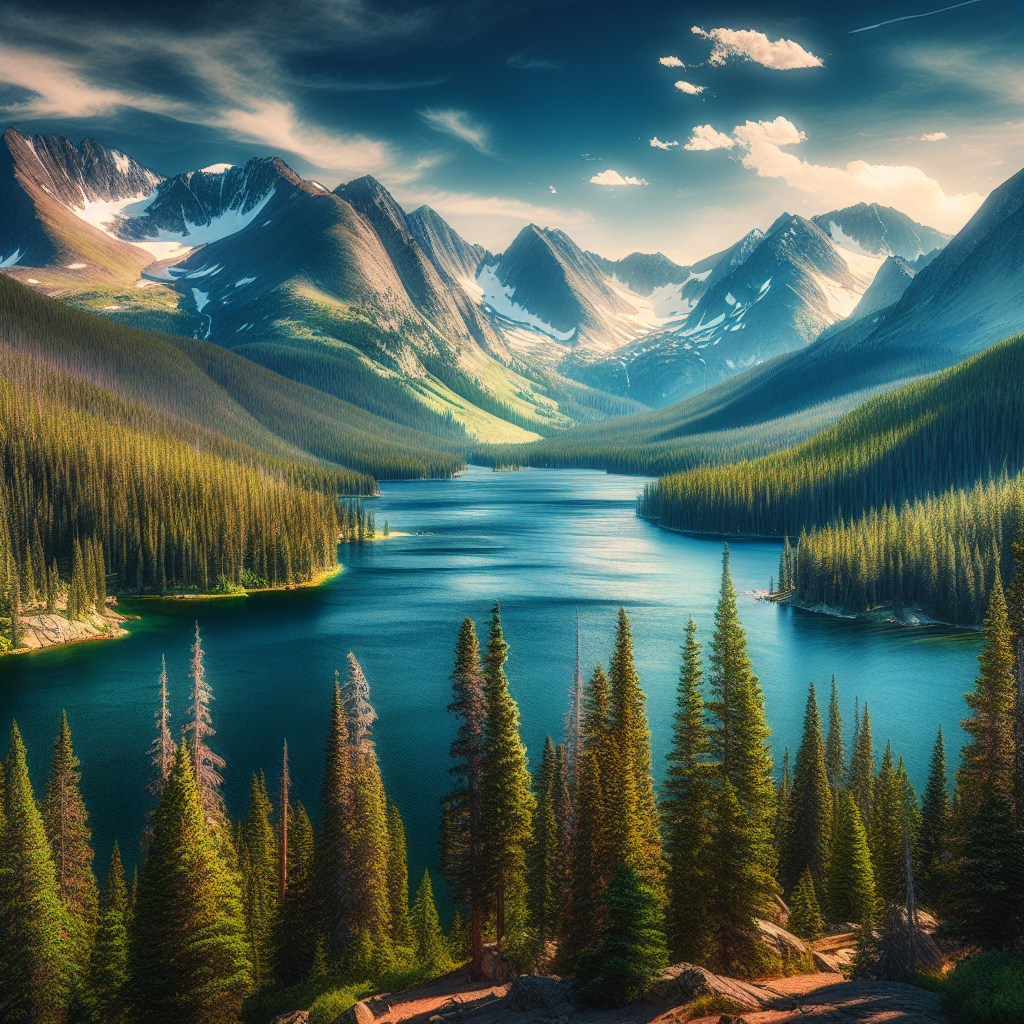
Grand Lake, nestled at an elevation of 8,367 feet in Grand County, Colorado, boasts a unique subalpine climate characterized by cool temperatures and a short growing season. This climate influences both the local environment and the recreational activities cherished by residents and visitors alike.
Climate Overview
Due to its high elevation, Grand Lake experiences a subalpine climate (Köppen classification Dfc), with only three months averaging temperatures above 50°F (10°C). Even during summer, nighttime temperatures can be quite chilly. The growing season here is notably brief, averaging just 49 days per year.
Seasonal Weather Patterns
Each season in Grand Lake offers distinct weather patterns:
- Winter (November to March): The area transforms into a snow-covered wonderland, with average temperatures ranging from 10°F to 35°F (-12°C to 2°C). This period is ideal for snowshoeing, cross-country skiing, and snowmobiling.
- Spring (April to June): As temperatures gradually rise from 30°F to 60°F (-1°C to 15°C), the region witnesses blooming wildflowers and cascading waterfalls, making it perfect for hiking and nature walks.
- Summer (July to August): Warm days with temperatures peaking around 72°F (22°C) and cool nights define this season, offering excellent conditions for boating, fishing, and other water activities.
- Autumn (September to October): Crisp air and vibrant foliage dominate, with temperatures cooling down, providing a picturesque setting for outdoor enthusiasts.
Environmental Considerations: Water Clarity
Grand Lake is Colorado’s largest and deepest natural lake, playing a crucial role in the Colorado-Big Thompson Project (C-BT). This project diverts water from the Colorado River basin to the eastern slope of the Rockies. As part of this system, water from Shadow Mountain Reservoir and Lake Granby flows into Grand Lake. This interconnection can introduce sediments and nutrients, affecting the lake’s clarity. Efforts are ongoing to monitor and improve water quality to preserve the lake’s natural beauty and ecological health.
Understanding Grand Lake’s climate and environmental dynamics is essential for residents and visitors to appreciate and protect this unique region. Whether you’re enjoying winter sports, spring hikes, summer boating, or autumn foliage, being informed helps ensure that Grand Lake remains a cherished destination for generations to come.